
 Oil seals
Catalogue
Agricultural oil seals
All our part numbers in this family. If your part doesn't appear, our engineering office can design it.
By family
By machine
4 parts shown
The online catalogue shows a selection of our part numbers. Our production capacity goes far beyond it.
Oil seals
 Oil seals
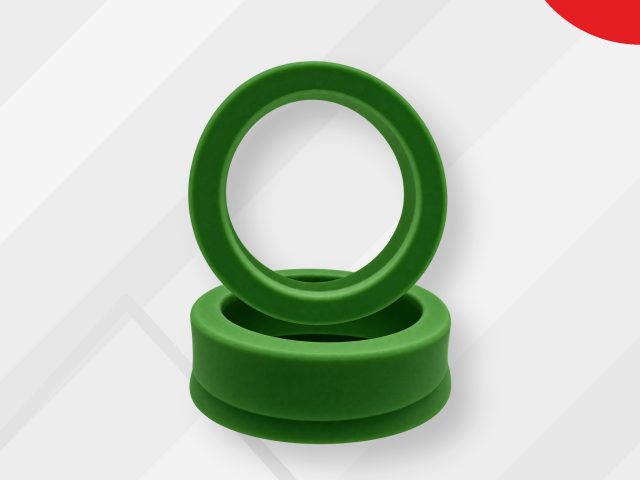
Deutz pushrod tube seal
VF ref. · VF510001 OEM ref. · 2232840 Deutz 912 · 913 · 914 engines · Cirta View product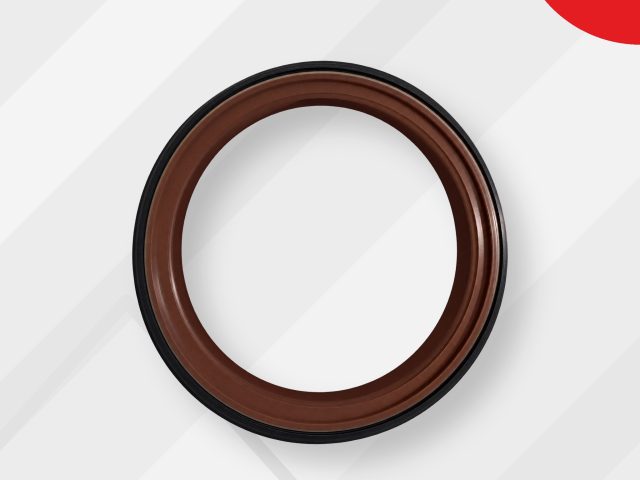 Oil seals
Deutz rear crankshaft oil seal 115 × 140 × 13.5
VF ref. · VF510003 OEM ref. · 2234134 Deutz F4L 912 engines · D 4506 · D 5506 View product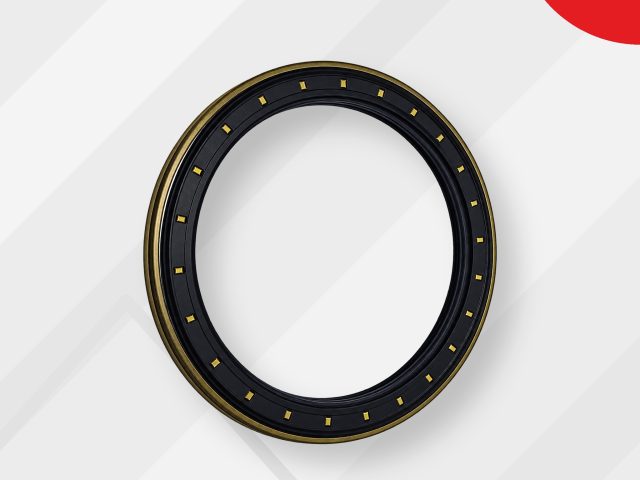 Oil seals
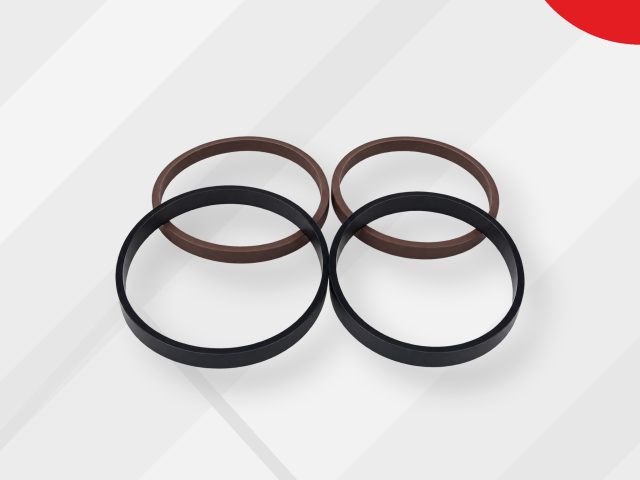
Hub cassette seal 130 × 160
VF ref. · VF500002 OEM ref. · 12016448B Several manufacturers View productThis part is not in the catalogue yet
It isn't online, but our engineering office can design it for you. Send us the number engraved on the old part, or a photo of it.
Request a design studyThe guide
Choosing the right agricultural oil seals
A small leaking seal can ruin a gearbox, an axle or an engine. Our agricultural oil seals seal the rotating shafts of tractors and combine harvesters: crankshaft, gearbox outputs, PTO, hubs, as well as pushrod tube seals. They are designed from the original part, so the oil stays where it should.
+200
part numbers available
on request
-
The lip of an oil seal rubs constantly on the shaft, in oil, heat and dust. Its material and shape make all the difference between a seal that lasts the season and one that weeps after a few weeks. That is why we start from the original part, have our own moulds made, and approve each part number in the laboratory.
-
- Oil weeping around a shaft, a gearbox output or the crankshaft.
- Dust and mud stuck around the shaft: it is often a leak starting.
- A hardened, cracked or turned-over lip when removed.
- An oil level that drops with no other visible leak.
-
An oil seal is identified by three dimensions, often printed on its face: inner diameter, outer diameter and width, for example 40 × 62 × 8. Measure them on the removed seal and send them to us with a photo. When fitting, grease the lip, fit the seal square and check the shaft: a grooved surface quickly wears a new seal.
-
Replacing a seal costs mainly in dismantling time: you might as well fit a part that lasts. We work directly, with no middlemen, to offer OEM quality at a fair price, with stock prepared in advance and shipping from France or Spain.
For oil selection and service intervals, follow the manufacturer’s recommendations, such as Deutz-Fahr.
Quality control
The 5 criteria of a quality part
A good part can be recognised before fitting. Here is what we check, and what you can check yourself.
5/5
Criteria checked
on every part number
on every part number
-
Checked
Traceable materials
Each batch is linked to its steel grade, matching the original part.
-
Checked
Our own moulds
It is made on our own tooling, not copied by eye from a worn part.
-
Checked
Approved in the laboratory
Dimensions and strength are then checked before production starts.
-
Checked
European and international standards
Compliance is documented, part number by part number.
-
Checked
Stated warranty
Finally, duration and terms are written down before the order, not after the breakdown.
On request
Your part number isn't in the catalogue? We design it.
The online catalogue only shows part of what we can do. Send us the number engraved on the old part, or a photo of it. Our engineering office analyses it, then we reply with the matching part and the price.